After handling any material wash thoroughly with soap and water.
Basic rules for storing hazardous materials.
Keep lids on containers always.
Only keep minimal amounts of chemicals onsite.
This regulation requires us to keep aisles and passageways clear and in good repair with no obstructions that could cause hazards.
Therefore the first step in the hazardous waste identification process is determining if a material is a solid waste.
The epa s closed container standard 40 cfr 264 173 is one of those regulations.
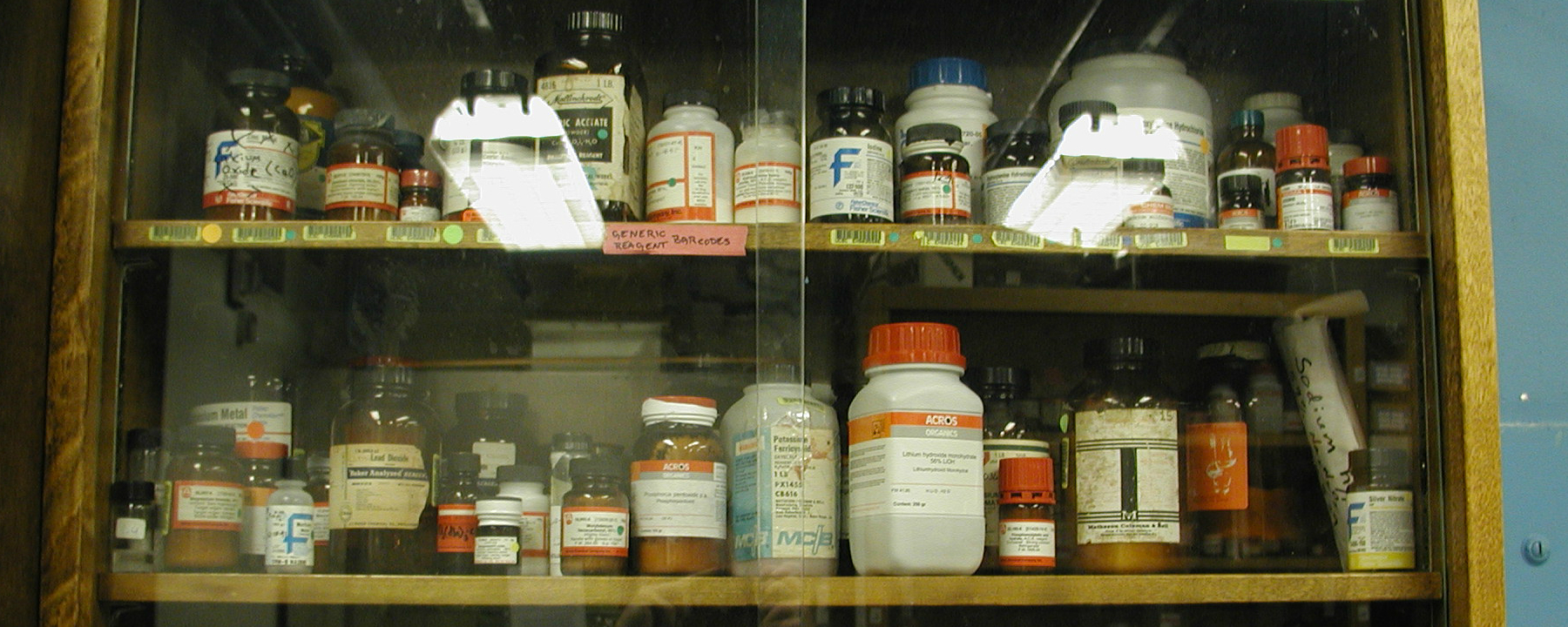
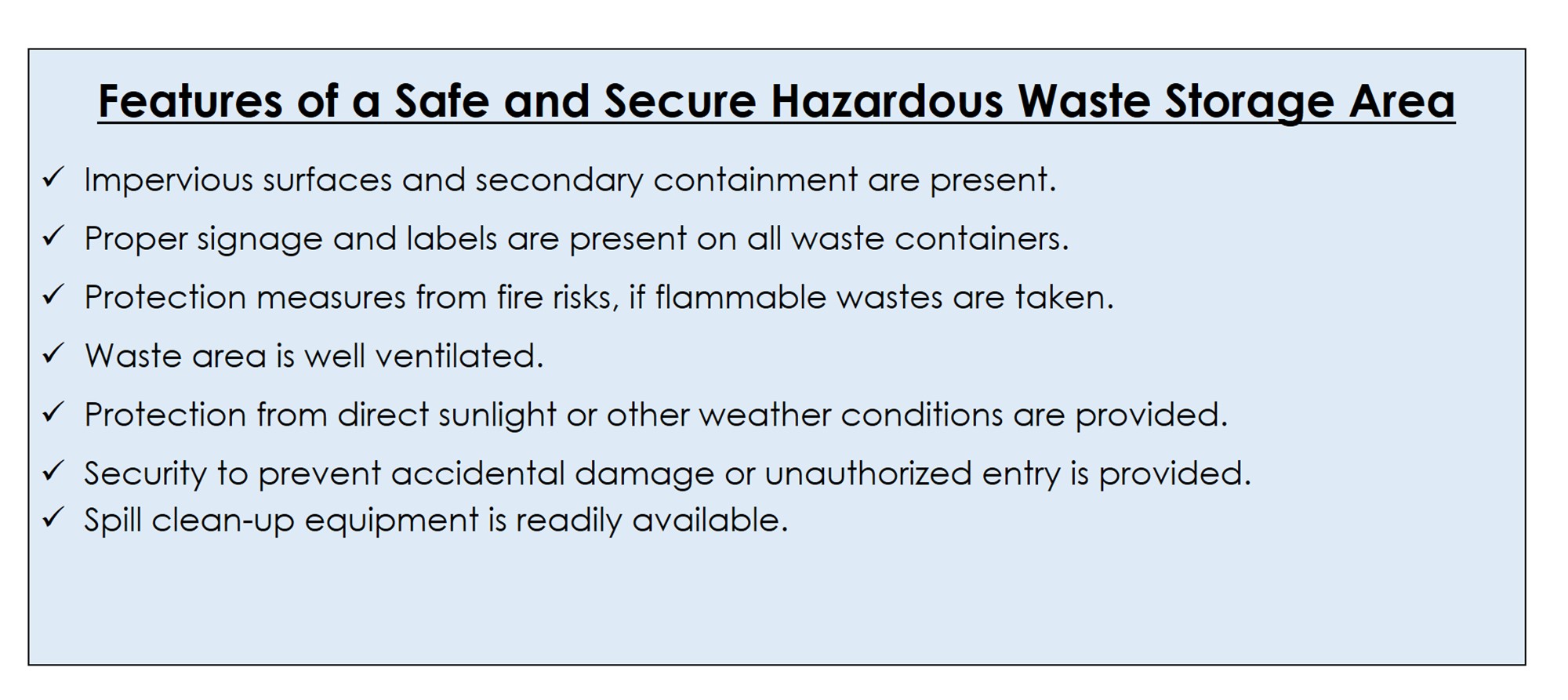
Store all materials properly separate incompatibles and store in ventilated dry cool areas.
In order for a material to be classified as a hazardous waste it must first be a solid waste.
To prevent creating hazards when storing materials employers must do the following.
But osha also has a materials handling regulation 29 cfr 1910 176 that covers general safety requirements for storage areas no matter what s kept there.
Make sure all waste is properly marked as hazardous.
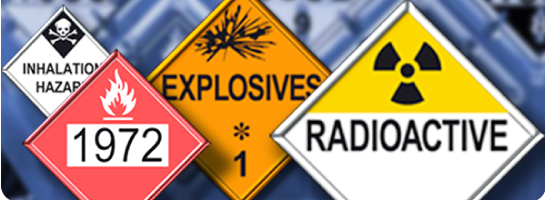
The pipeline and hazardous materials safety administration phmsa.
The secretary is authorized to issue regulations to implement the requirements of 49 u s c.
Read the safety data sheet sds or label carefully and follow any storage recommendations.
The second step in this process examines whether or not the waste is specifically excluded from regulation as a solid or hazardous waste.
The term closed means leak proof and vapor tight.
Some types and classes of materials for example may be stored in a regular storage closet with no additional parameters to be met where other classes may only be stored in certain quantities and in specific cabinets designed for the purpose of storing hazardous substances.
When storing hazardous chemicals in your workplace take the following steps.
Here are some best practices.
Store all materials properly separate incompatibles and store in ventilated dry cool areas.
Many of the epa s container management standards fall under the resource conservation recovery act rcra which governs the handling management and storage of hazardous wastes.
Secure the chemicals against unauthorised access or use.
Keep storage areas free from accumulated materials that cause tripping fires or explosions or that may contribute to the harboring of rats and other pests.
Keep storage areas free from.
When it comes to properly storing handling and disposing of those materials it is imperative that all rules regulations and guidelines are followed in order to ensure the safety of not only the staff and those working with the materials directly but also of every resident in the building or association.